Free guide · Find the right hijab for your face shape, climate & style
Home / Fabrics / Silk Hijabs

Silk Hijab Guide: Luxury That Is Kind to Your Hair

Updated August 2026·6 min read·By the HijabGuide team
Silk Hijab Guide: Luxury That Is Kind to Your Hair

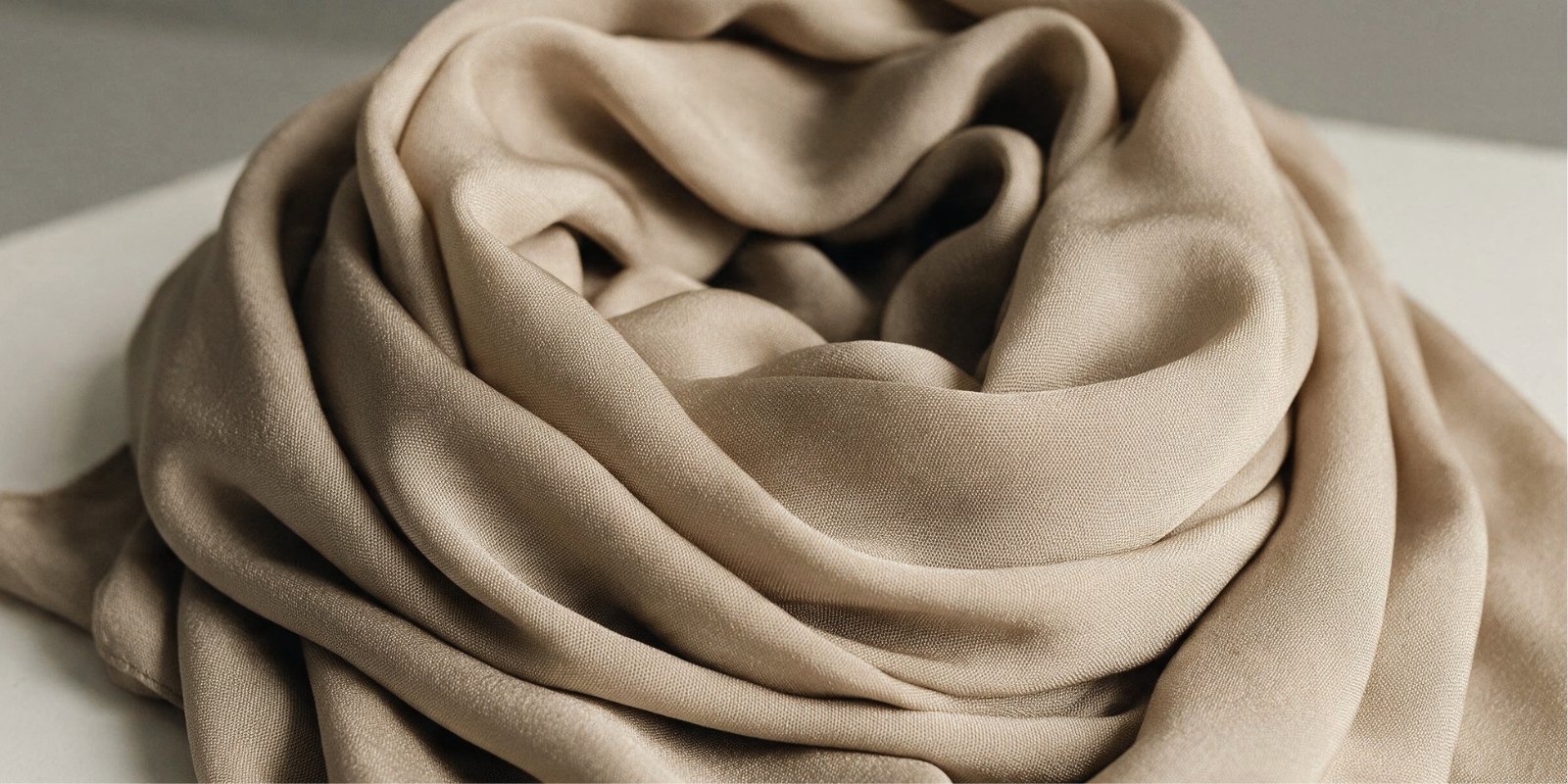
A silk hijab is soft, temperature-regulating and famously gentle on hair and skin. It is a luxury, and the popular Medina silk weave adds a bit of weight so it stays put.

Quick answer: Silk is best for occasions and hair comfort. It is luxurious, breathable and gentle on hair, but expensive, slippery and often needs dry cleaning. Medina silk stays put better.

What is a silk hijab?

Silk is a natural luxury fibre that is soft, breathable and temperature regulating. Turkish Medina silk, or medine ipek, is a weightier silk-feel weave that many wearers say stays put and is fully opaque.

Pros and Cons of Silk Hijabs

Pros

Luxurious and gentle on hair; Breathable and temperature regulating, cool in summer, warm in winter; Beautiful, fluid drape; Kind to sensitive skin.

Cons

Expensive; Real silk is slippery and delicate; Often needs dry cleaning; Everyday silk-feel weaves vary in quality.

When to Wear Silk (and When to Skip It)

Best for:

  • Special occasions and gifts
  • Anyone prioritising hair and skin comfort
  • Medina silk for a hijab with weight that does not slide

Go easy when:

  • Rough daily wear, if it is delicate real silk

How to Style a Silk Hijab

  • Choose Medina silk for everyday, since it has weight and stays put
  • Secure delicate silk with a grippy undercap
  • Store it flat, away from sunlight, to protect the fibres

How to Care for Silk Hijabs

  • Hand wash cold or dry clean
  • Dry flat, away from direct sun
  • Iron on the lowest setting through a cloth

Types and Variants

  • Mulberry or real silk: the luxury standard, soft and delicate
  • Medina silk (medine ipek): a Turkish weighty silk-feel weave that stays put
  • Silk satin: glossy and dressy
  • Silk chiffon or georgette: lighter and flowing

How to Judge Quality

  • Real silk has a natural, subtle sheen and warms to the touch
  • Medina silk feels weightier and stays in place better
  • Check for even weave and no snags
  • Care labels reveal a lot: real silk usually needs hand wash or dry clean

Price Options

  • Budget: silk-feel blends, roughly $15 to $30
  • Mid-range: Medina silk, around $30 to $50
  • Premium: pure mulberry silk, $50 to $110 and up

Prices are rough guides only and vary by brand, size and region.

Who It Is Best For

  • Anyone prioritising hair and skin comfort
  • People buying a gift or a special-occasion piece
  • Medina silk suits those who want weight and hold

Where It Is Most Popular

Silk, and Turkish Medina silk especially, is prized in Turkey and the wider Middle East, where medine ipek is a signature fabric.

Frequently Asked Questions

Is silk good for your hair?

Yes, silk is one of the gentlest fabrics on hair and edges because its smooth surface causes very little friction and breakage.

What is Medina silk?

Medina silk, or medine ipek, is a popular Turkish silk-feel weave with a bit of weight. Wearers like it because it stays in place and is fully opaque.

Is silk hijab worth it?

For occasions, hair comfort and a luxurious feel, many think so. For rough everyday wear, a sturdier fabric is more practical.

How do I wash a silk hijab?

Hand wash cold or dry clean delicate silk, and dry it flat away from sunlight. Medina silk blends are usually easier to care for.

The HijabGuide team
We wear hijab daily and compare every option honestly, downsides included. Have a fabric we should add? Tell us in the community.

Related: Full fabric guide · Satin hijabs · Healthy hair

Do you wear silk? Tell the community.